

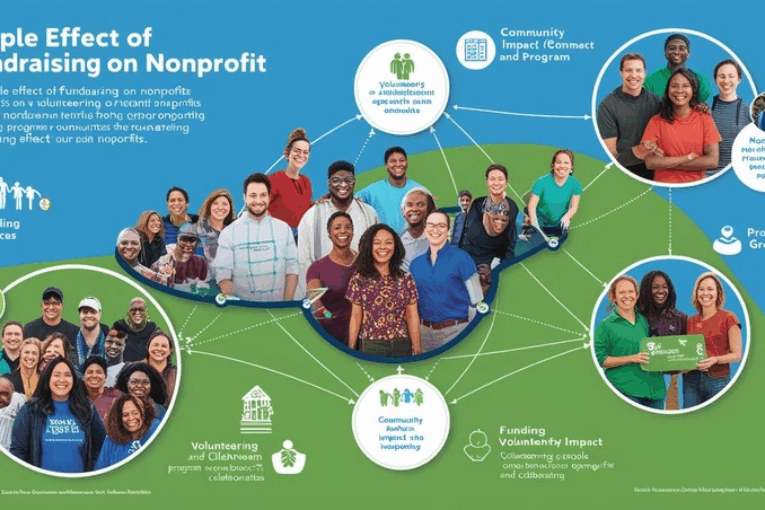
In 2025, political fundraising in the United States continues to break records. With millions of dollars flowing into political campaigns through super PACs, major donors, and digital platforms, nonprofit organizations are increasingly feeling the pressure. While the political sphere benefits from heightened engagement and funding, nonprofits are navigating a more competitive, regulated, and sometimes confusing fundraising environment.
🔍 Shifting Donor Attention
One major challenge is donor fatigue. During high-stakes election cycles, especially presidential and congressional campaigns, donors are heavily courted by political campaigns. This leaves fewer dollars and less attention for charitable causes, particularly smaller nonprofits that depend on individual donations. With billionaires like Elon Musk making multi-million-dollar contributions to judicial races (as seen in Wisconsin), grassroots causes often struggle to keep pace.
📉 Increased Scrutiny & Compliance Costs
Political fundraising regulations also ripple into the nonprofit sector. For example, nonprofits engaged in advocacy or issue-based campaigns must navigate complex 501(c)(3) and 501(c)(4) restrictions. Increased scrutiny from the IRS and state agencies means that organizations now face higher compliance costs and more administrative work just to stay within legal fundraising limits.
Moreover, changes in campaign finance laws—such as New York’s proposal to raise matchable donation limits and allow rollover funds—can unintentionally tilt the giving environment toward political entities instead of philanthropic ones.
🛠️ What Can Nonprofits Do?
- Double Down on Transparency – Just as political campaigns are held accountable for how funds are used, nonprofits should proactively communicate their impact and financial stewardship.
- Leverage Technology – Using fundraising platforms like Givebutter, Kindful, or Donorbox can help manage donor relationships and simplify reporting.
- Engage in Year-Round Fundraising – Don’t rely solely on end-of-year campaigns. Establish recurring donor programs and peer-to-peer fundraising to maintain momentum during political cycles.
- Educate Your Audience – Help your supporters understand how your mission differs from political movements and why sustained charitable giving is vital beyond election cycles.
🏁 Conclusion
Political fundraising is a powerful force in 2025—but its influence shouldn’t overshadow the critical work nonprofits do every day. By staying agile, transparent, and strategic, nonprofit leaders can adapt and thrive even in politically charged fundraising climates.
